

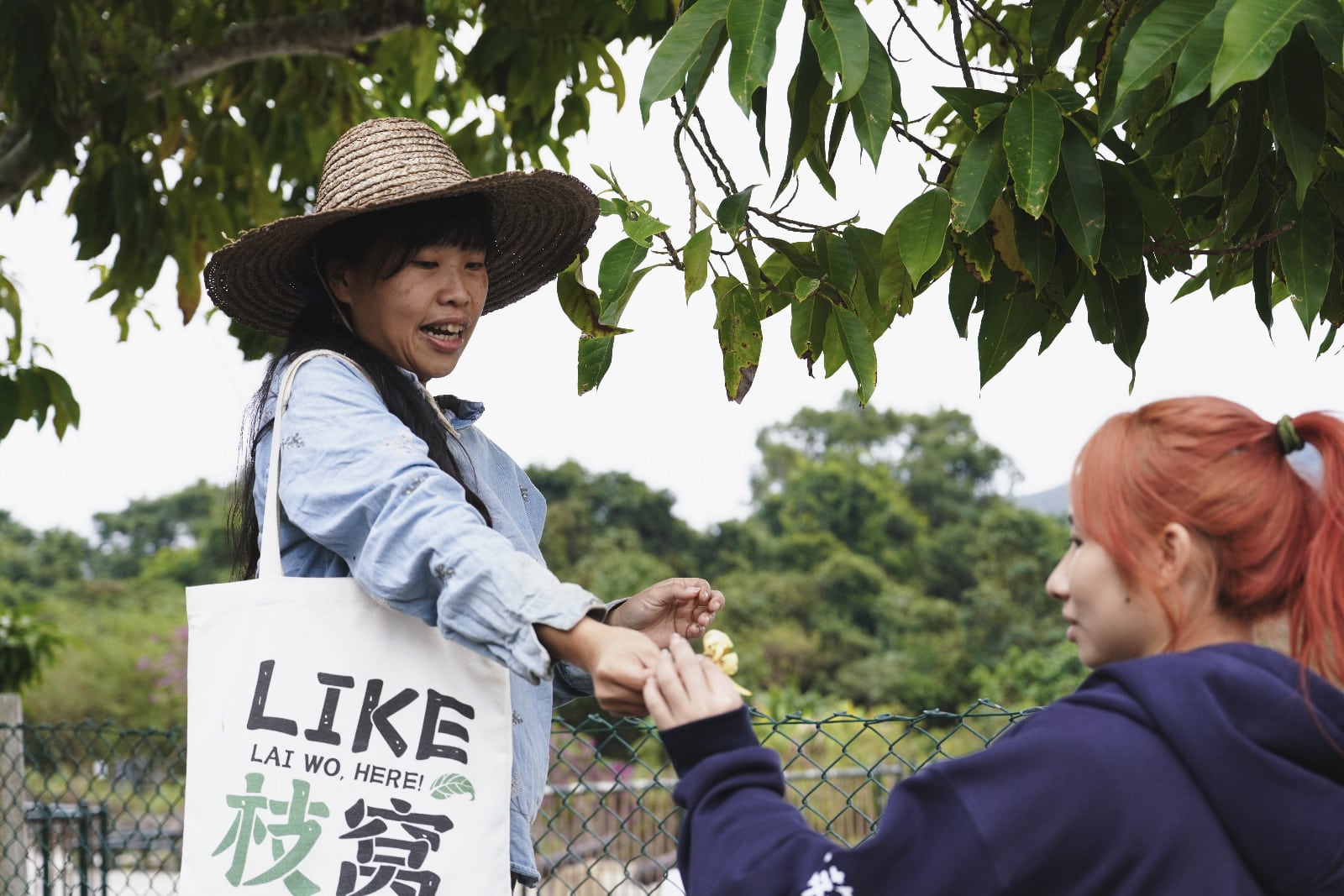
When City Pace Meets the Breath of the Forest
In a fast-developing city, we are used to measuring results by efficiency and defining progress by speed. But when a group of young people from different countries walked into the forest villages of northeast Hong Kong’s New Territories, they discovered that real change often comes from slow, steady action. Hands in the soil, shoulders together lifting stones, evenings spent around a table sharing personal stories: the distance between city and countryside stopped being merely geographical and became a site to rethink values. This winter, an international workcamp turned sustainability from an abstract concept into a way of life people could practice.
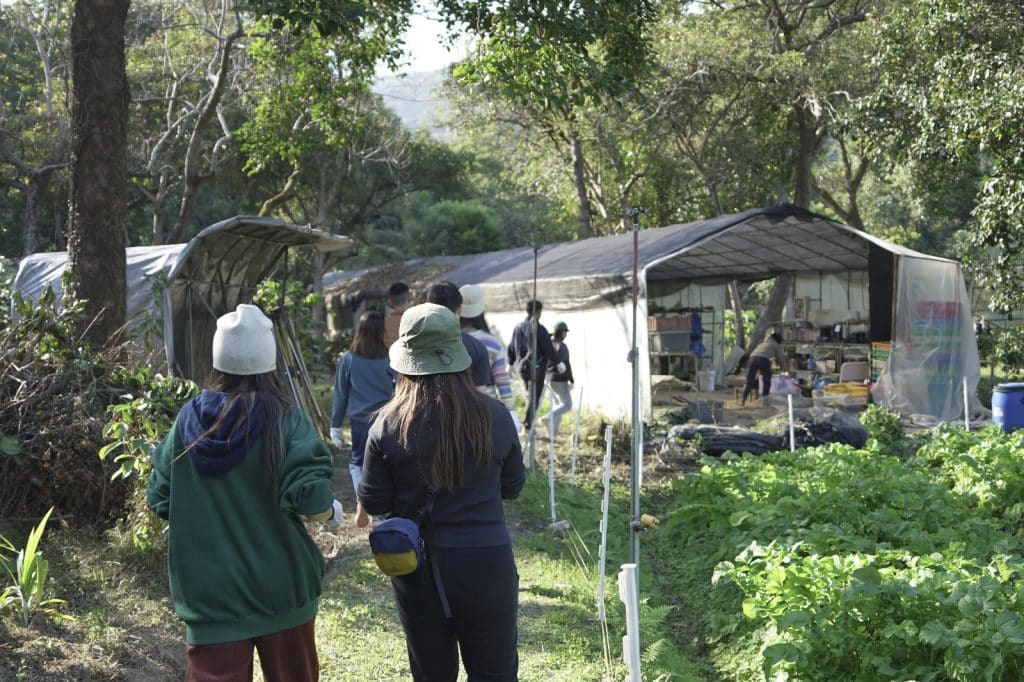
Eight days and seven nights of rural conservation and cross-cultural exchange
The Hong Kong Winter International Workcamp, “Bloom Beyond Coffee: Reviving Villages,” ran from December 2025 to January 2026. Over eight days and seven nights, it brought together around 20 participants from South Korea, Russia, Laos, Indonesia, Estonia, Singapore, Cambodia, Vietnam, and the Philippines. Their different languages, cultures, and backgrounds came together into a shared learning community.
The program centered on rural conservation, environmental sustainability, and cultural exchange. Through communal living, volunteer service, and in-depth sharing, participants were guided into Mui Tsz Lam and Lai Chi Wo in northeast Hong Kong. These forest villages carry rich history and culture, yet also face population loss and development pressure. The workcamp was not one-way assistance but interactive participation, allowing young people to understand the ideas and efforts behind community revitalisation through hands-on practice.
In this way, learning doesn’t happen only through explanation. It builds up gradually through every round of farming, every repair, and every conversation with villagers.
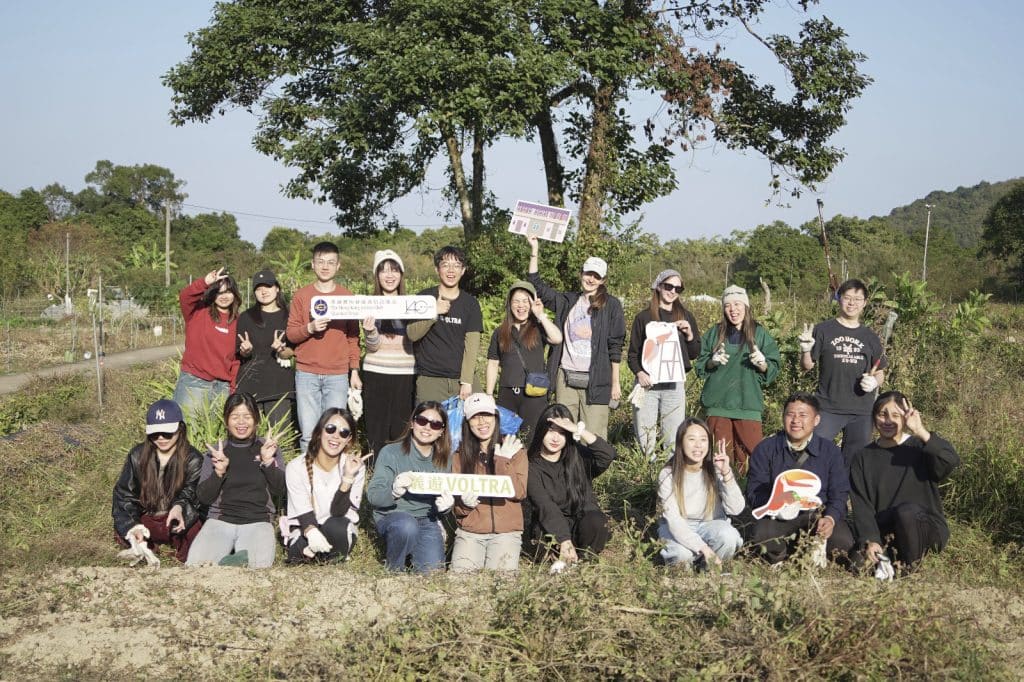
From coffee fields to the dining table: how land restoration connects economy and culture
In Mui Tsz Lam and Lai Chi Wo, participants first threw themselves into working in the coffee fields and supporting farm work. The aim was to help young people see how revitalising rural land can serve both environmental conservation and community economic development. By taking part in coffee planting, basic farming, and land preparation, they learned how forest villages can develop sustainable industries within natural limits.
The activities went beyond physical labour to include an introduction to local farming models and community management approaches. Participants learned that coffee is not just a commodity but a medium connecting community, culture, and ecology. Through land restoration, the village can rebuild its capacity to produce and draw more attention to the value of rural life.
Arista from Indonesia shared:
The revitalization of land or farms in forest villages has a significant impact on strengthening local community empowerment, for instance through coffee production that can be both consumed and commercially marketed by local residents, as well as vegetable cultivation that contributes to menu offerings in surrounding restaurants. Such land utilization enables productive cultivation and generates sustainable income opportunities for local communities. This initiative can serve as a distinct attraction for tourists visiting and experiencing mountainous regions in Hong Kong, particularly within forest villages.
Her observation shows that land restoration is not a single-dimensional environmental action but an integrated strategy touching on community self-reliance, economic sustainability, and cultural preservation. Through this experience, participants no longer saw coffee only from a consumer’s perspective but considered its value from the standpoint of production and community development. This shift is an important step in young people’s growth.
A Lesson on Patience and Collaboration
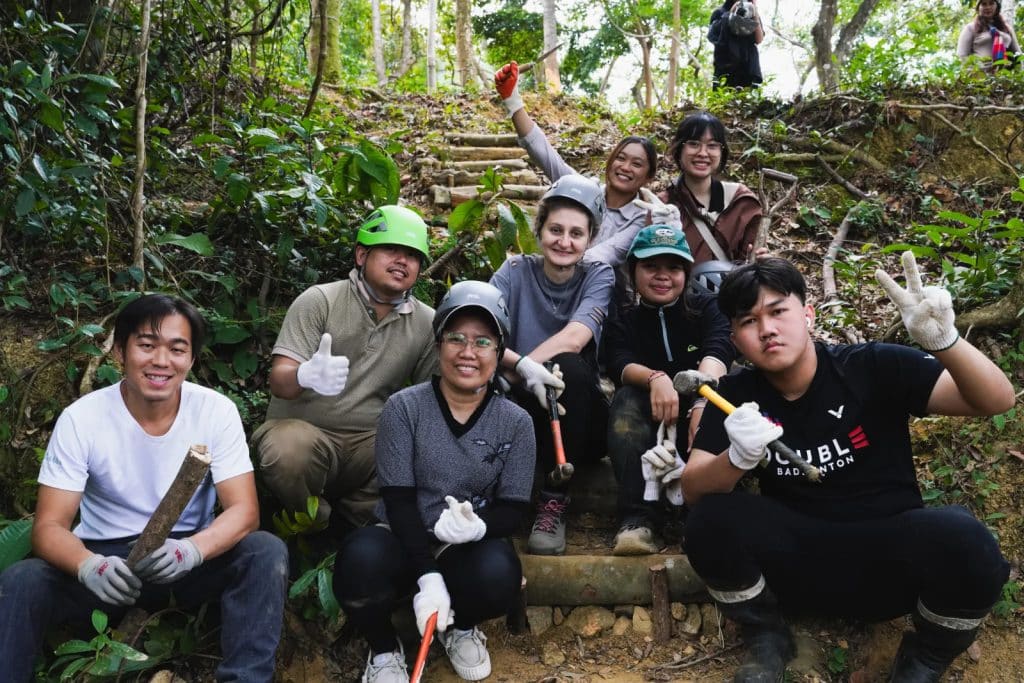
Alongside the farm work, trail restoration was another core activity. Its goal was to improve the safety and accessibility of the village paths while showing participants why infrastructure maintenance matters to a community. The work included carrying stones, laying foundations, adjusting gradients, and stabilising the surface, and every step demanded precision and cooperation.
Along the way, the young people came to appreciate the care and patience behind such work, and to understand that “progress” often comes from countless small accumulations. Emmie Martinez-Tan from the Philippines reflected after the activity:
Repairing the trail taught me that progress doesn’t happen all at once. Each stone we carried, adjusted, and placed carefully was a small step toward stability. Alone, one rock seemed insignificant—but together, they formed a path strong enough for many to walk on. The trail reminded me that small steps matter, especially when built with patience, teamwork, and purpose.
These words capture the deeper meaning of the activity. The trail is not only a route for walking but also a symbol: of the strength of collective effort, and of the trust and sense of responsibility young people build by working together. When participants realised that the stone they had laid would become part of the path walked by future villagers and visitors, their understanding of “community” shifted from an abstract idea to a concrete connection.
Understanding cultural diversity through living together
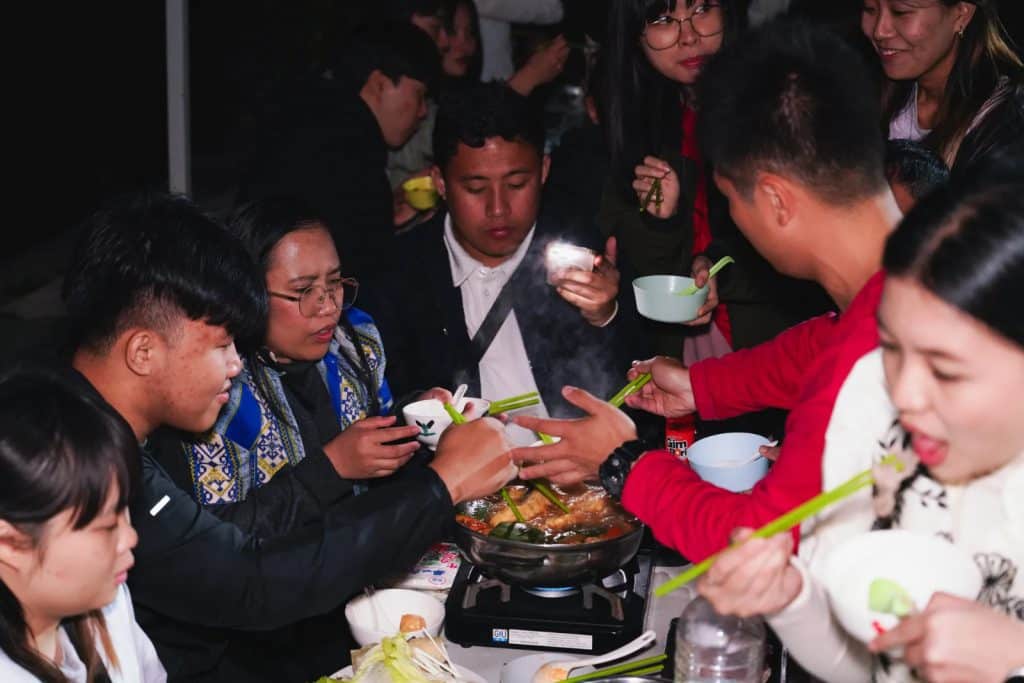
The eight days and seven nights of shared living were a key part of the workcamp’s design. Participants divided up tasks, cooked, cleaned, and planned each day together. In such close interaction, cultural differences were no longer a topic for theoretical discussion but something that needed to be understood and negotiated in practice.
Some liked rising early, others preferred late-night discussions. Some liked food with mild flavors, others with strong flavors. Through ongoing conversation and adjustment, the young people learned to find common ground while respecting differences. This daily interaction made cross-cultural exchange real and warm.
According to the post-program survey, 95.4% of participants said they had become more accepting of cultural diversity, and 100% felt the experience had increased their enthusiasm for and understanding of different cultures. Behind these numbers are many specific, sincere encounters.
From local experience to a global outlook
In the reflection sessions, participants were guided to think about the tensions between city and countryside, and between development and conservation. They discussed agricultural decline, ageing communities, and ecological pressures facing different parts of the world, and compared them with the situation in their own countries.
93.6% of participants said they were now more willing to care for and contribute to their local communities, and 95.4% said they had become more curious about the world. This suggests that the workcamp not only deepened understanding of rural Hong Kong but also inspired participants to make change in their own communities.
When global issues are no longer just headlines but are tied to land and people one has actually worked with, a sense of global citizenship begins to take root naturally.
Youth growth and community benefit: from short-term experience to long-term impact
The value of the Hong Kong Winter International Workcamp 2025 lies not only in the eight days and seven nights of activities but also in their lasting impact. 94.5% of participants made friends from different cultures through the project, strengthening their social capital, and 95.4% said the camp improved their understanding of Hong Kong’s communities.
These results show that when young people are given real opportunities to participate, they can form deep connections in a short time. Rural communities become better known thanks to these international perspectives, while the young people develop a sense of responsibility and purpose through hands-on involvement.
Truly impactful community projects are never about one-sided giving but about mutual growth. When young people understand the value of the land, they also better understand their own role. When a community receives attention and support from around the world, the strength of its revival grows firmer.
Perhaps we can ask ourselves: as we pursue development, do we still see the places that need protection? In nurturing young people, do we give them real settings in which to put their values into practice? When a mountain trail is relaid, it leads not only to a village but also toward a more conscious future.
Change may not be dramatic, but as long as people are willing to lift a stone, plant a seed in the soil, and talk across differences, communities and young people can grow together. This is the power that “Bloom Beyond Coffee: Reviving Villages” brought to life.
About Glocal Leader Academy
The Glocal Leader Academy is funded by the Hong Kong Jockey Club Charities Trust and organized by VolTra. Its aim is to train the next generation of changemakers through training programs, interactive tasks, workshops, local and overseas volunteer service, and other projects. Based on VolTra’s “3E’s and 2A’s” belief (Exploration, Empathy, Empowerment of Change; Local Awareness and Global Awareness), the program encourages young people to explore the world and build a better society through community action.
For past projects in the Glocal Leader Academy, please visit https://bit.ly/cpg-glocal-leader-academy.
Make a Real Impact with VolTra!
If you care about youth development, community restoration, and sustainability, we’d love you to explore VolTra’s local projects in Hong Kong. Through partnerships and hands-on practice, we want more young changemakers to learn in real-life contexts, and more communities to be seen, connected, and supported.
Want to know more about our local projects? Follow the link below to find out more!