Some changes come not from dramatic actions, but from a sincere encounter.
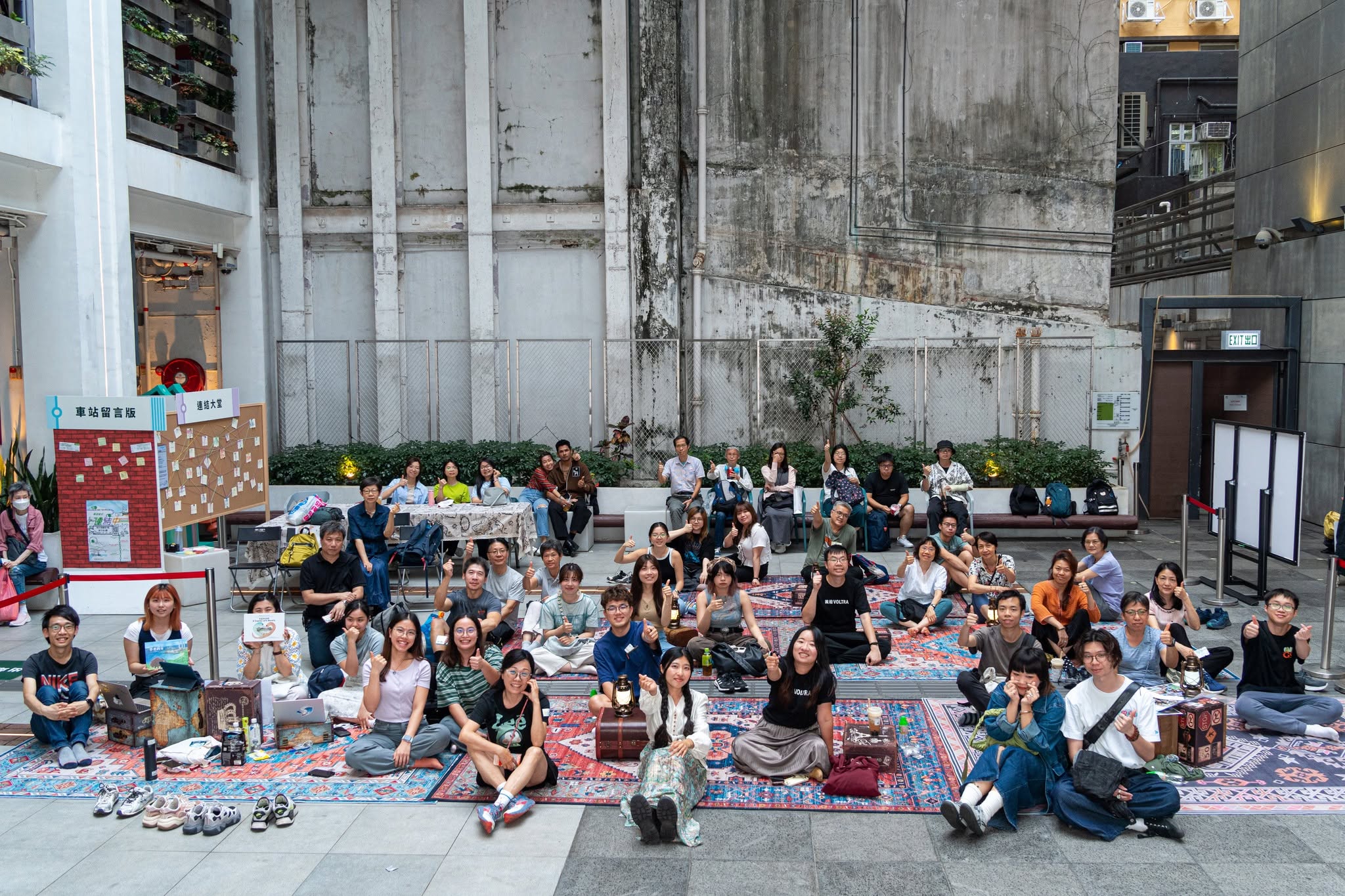
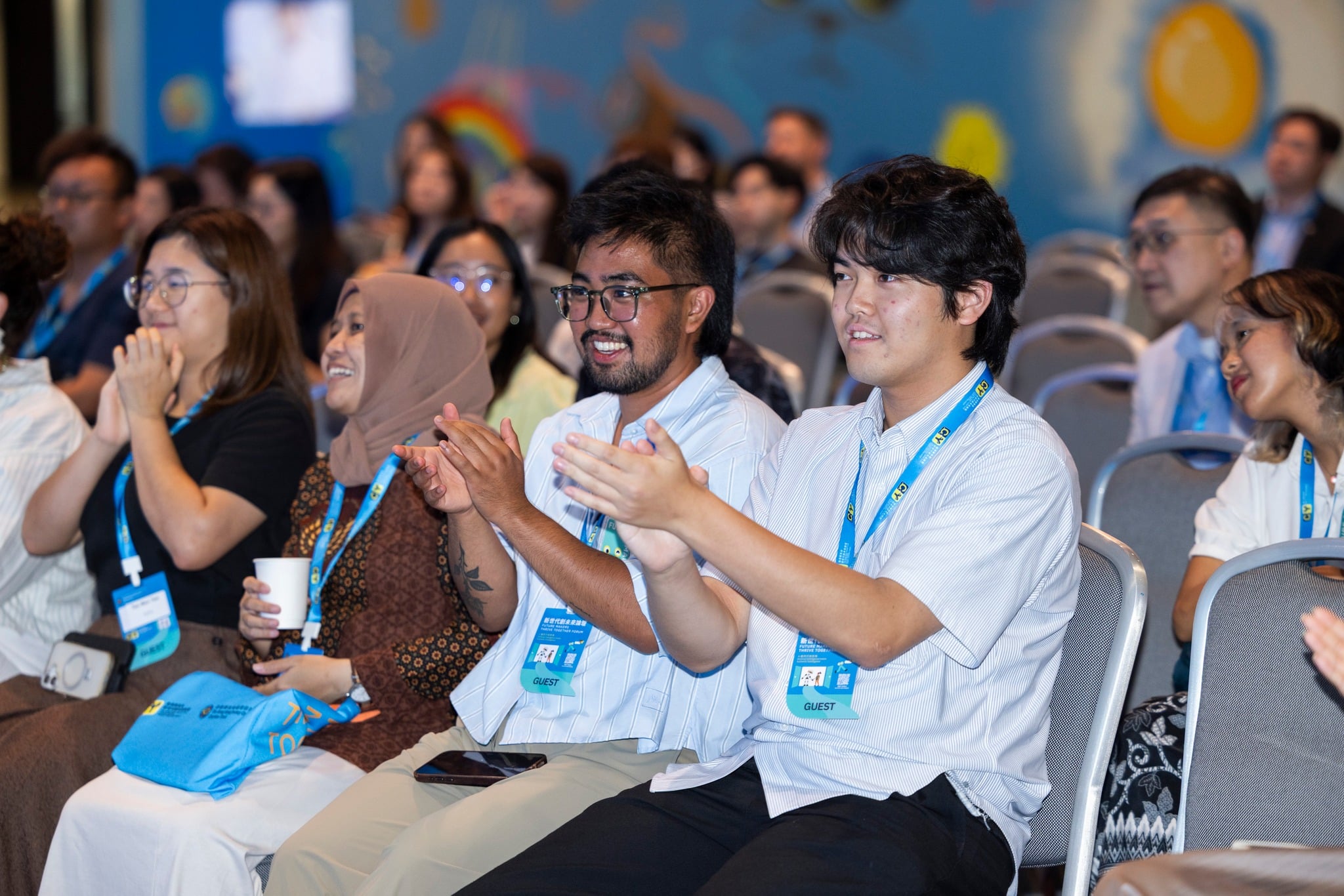
20 young representatives from 13 countries and regions gathered with us at the Jockey Club Future Makers Thrive Together Forum 2025, taking part in an exchange that crossed cultures, languages, and geographical boundaries. This was not simply a forum; it was a space where people with different life experiences could encounter and learn from one another.
These young changemakers came with stories of the social initiatives they had promoted in their own cities, and with curiosity about one another, about Hong Kong, and about the future. The value of these encounters lies not only in the sharing on stage, but also in every conversation that allows people to rethink what “participation,” “impact,” and genuine connection with the community really mean.
For VolTra, we have always firmly believed that “Everyone takes part in Glocal Action.” This may sound like an ideal, but what makes it meaningful is how it is put into practice.
When overseas youth do more than simply stay at the forum venue and instead visit the district centres of the Jockey Club 21st Century Community Youth Service Project (21C@JC), meeting local youth teams from Thriving Children & Youth Conference in person, the world is no longer an abstract concept.
Social innovation is no longer just a phrase found in reports or presentations. Instead, it becomes a real experience that can be felt, questioned, challenged, and reimagined. VolTra’s handbook also clearly states that its vision is “Everyone takes part in Glocal Action,” emphasizing the expansion of participants’ global and local perspectives through Action Learning.
“We thought we were simply coming to ‘exchange'”
When people hear the words “youth forum,” they may first imagine a formal, rational, and somewhat distant setting: speeches, presentations, discussions, photographs, and then everyone leaves.
But meaningful exchange often does not remain on the stage. It begins when we start questioning what we originally thought.
The young people participating in this forum were not simply there to share their experiences of promoting social initiatives in different cities. More importantly, they were willing to temporarily set aside their existing frameworks, step into another social context, and take a fresh look at a city, various social issues, and a group of young people who, like themselves, also want to change the world.
The importance of this kind of exchange does not come from everyone arriving with perfect answers. Rather, it comes from everyone’s willingness to acknowledge that we often know less than we think about other people’s circumstances.
When “social innovation” is no longer merely an impressive-sounding term, but becomes a way for young people in different places to respond to the real needs of their communities, exchange begins to carry greater meaning. Some may be familiar with education issues in their own cities. Others may have focused on youth participation for years. Others may be thinking about how to ensure that more community voices are heard.
When these experiences come together in Hong Kong, what is being compared is not simply different methods. It is also how each person understands change, and how they continue to take action despite limited resources and constraints.
For local Hong Kong youths, this encounter was also about more than simply “hosting” visitors.
When young people from different places entered community centres, asked questions, shared observations, and exchanged experiences, local teams were also invited to retell their own stories: What are we doing? What do we care about? What does our community need?
This process is not simply about introducing ourselves to others. It is also a form of internal reflection and organization. Often, it is precisely because we need to explain our work to people outside our community that we gain a clearer understanding of the beliefs and position that have guided us along the way.
Real Learning doesn’t stop at the stage. It begins when you step into the community.
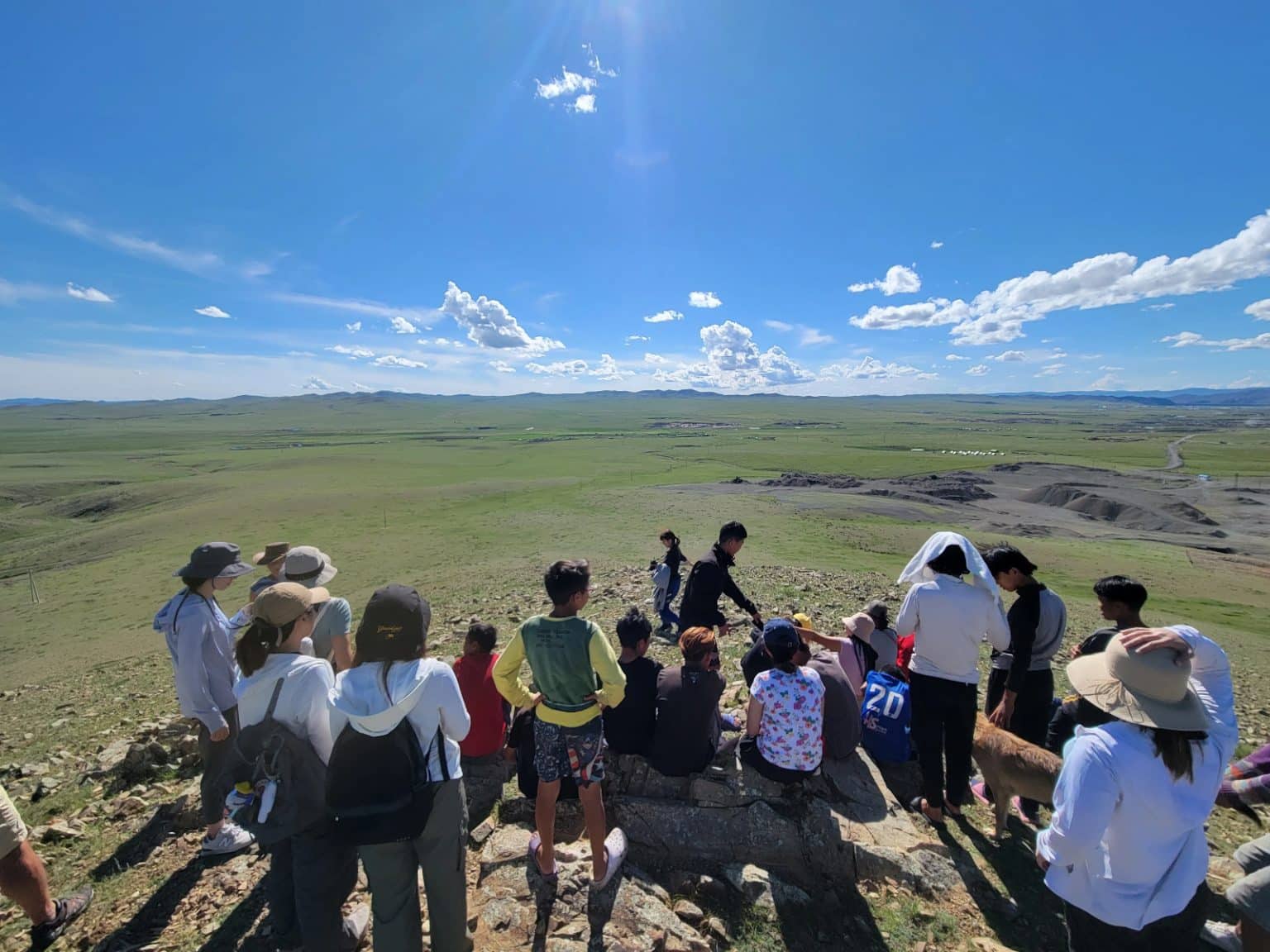
During the program, the visiting youth delegates went beyond the forum and spent time at a district center and met local youth teams up close.
Social issues become more concrete once you step into a community. They are no longer abstract phenomena. It becomes a place with its own way of working, a group of young changemakers responding to it, and a team slowly building trust on the ground. The delegates visited the district centre at 21C@JC, where they exchanged ideas with the Thriving Children and Youth team on new innovative approaches.
This kind of site visit is meaningful in its own right. We often assume international exchange means showing one another our achievements. In practice, the deeper learning tends to come after you see how others work within the constraints of reality. Community work is never driven by ideals alone. It takes long-term presence, careful communication, and a willingness to keep experimenting in complicated situations.
For the young representatives, Hong Kong stopped being just an international city on the map and became a place with its own local rhythm, youth network, and community life. They were no longer distant ‘international delegates’ themselves, but peers who were also discovering their way toward change in their own communities.
A Visible Shift in Perspective
When most people talk about exchange programs, it is easy to focus on how they make people feel – ‘inspiring’, ‘meaningful’, or ‘eye-opening’. While these experiences are all real, what is particularly meaningful about this forum is that the change was not limited to participants’ feelings. It was reflected in how they came to understand the issues.
After the exchange, participants’ understanding of ‘social innovation’ rose from 6.8 to 8.2, an increase of about 20%. THeir knowledge of HOng Kong’s social issues climbed from 5.5 to 7.8, an improvement of more than 40%. These figures remind us that youth exchange is not simply a trivial activity. It can be a meaningful process that genuinely shifts the way young people understand the world around them.
Still, what the numbers represent matters more than the numbers themselves. A deeper understanding of social innovation means that young people are no longer likely to see change as simply as a large-scale project, an entrepreneurial slogan, or an idealistic blueprint. Instead, they begin to recognize how innovation can grow from concrete community needs, and how meaningful change requires relationships, collaboration, and long-term commitment.
The increase in participants’ understanding of social issues in Hong Kong also points to something deeply valuable: when people are willing to step into another place and set aside preconceived ideas, their understanding begins to grow as they engage in genuine conversations with local youth. Assumptions and biases also have an opportunity to be challenged.
This kind of change may not turn into a major community project overnight, but it can become the starting point for future action. When people see the world differently, they begin to make choices differently. These young people may not instantly become remarkable changemakers, but they will think harder about whether they can contribute a little more where they live, ask one more question, and connect with people and causes that were once unfamiliar. That is the deepest value of exchange.
“The most meaningful takeaway was the connections with other volunteers.”
Sesya from Indonesia said, “It was an unforgettable experience. I had real conversations with young people in Hong Kong, and over dinner we built a rare kind of friendship.”
Glezzyl from the Phillipines shared, “I learned a new perspective in Hong Kong, and I was inspired by the passion and creativity of local youth.”
Edith from Kenya added, “Thank you, VolTra, for always supporting young people around the world. You gave us a platform to share our experiences and influence the next generation.”
These comments are moving because they are so plain and honest. The connections over Sesya’s dinner is a good example. Good international exchange doesn’t only happen in formal sessions. It often happens in ordinary moments, like sharing a meal, chatting, picking up a conversation that the daytime program left unfinished. Glezzyl’s new perspective is worth noting too. It doesn’t have to mean abandoning what you believed before. It can simply mean admitting there is another way to understand a problem and another way young people go about community work. And Edith’s mention of ‘platform’ is a reminder that young people only get to see and inspire one another if someone builds the space and keeps supporting it.
All their comments point the same way. Youth exchange is not a one-off burst of energy. It is a porcess that helps people see their own place in the world differently. A young person who feels inspired by a real encounter will likely carry that feeling home and turn it into new ideas and new action. That isn’t romanticizing exchange. It’s recognizing that real influence between people usually starts with small moments like these.
At VolTra, we believe lasting change doesn’t wait for a few people to do something great. It comes from many people, in many places, continually doing small things that matter. This forum made that belief visible. Young people from different countries and regions brought their own community work to Hong Kong and inspired one another. Nobody was simply receiving or simply teaching. Everyone gave something and took something away. That echoes the core belief in VolTra’s Handbook: real social change comes from many people making small but meaningful contributions, not from a handful of grand gestures.
This two-way inspiration is what makes Glocal Action so valuable. We often think a global outlook means looking further afield. It also means being more willing to come back to your community and see the people and issues around you with fresh eyes. When visitors are inspired by community work in Hong Kong, and Hong Kong youth see their own situation differently because of experiences from elsewhere, the change goes beyond getting to know each other. It has become a shared way of thinking about the future.
So the forum’s value isn’t only that it ran a successful international event. It showed that young people don’t need more resources, more years, or a more secure position before they can take part in change. Often it begins when someone is willing to step forward, share, listen, and join the group.
Make a Real Impact with VolTra!
If you care about youth development, community restoration, and sustainability, we’d love you to explore VolTra’s local projects in Hong Kong. Through partnerships and hands-on practice, we want more young changemakers to learn in real-life contexts, and more communities to be seen, connected, and supprted.
Want to know more about our local projects? Follow the link below to to find out more!